
Training your pet with Basic Pet Commands is one of the most important steps in building a strong, healthy relationship. Whether you have a dog or a cat, teaching simple commands improves behavior, ensures safety, and helps your pet understand what is expected. Basic pet commands are not about control; they are about communication, trust, and consistency.
Why Basic Pet Commands Are Important

Basic commands help pets feel secure because they understand routines and signals from their owners. Training also reduces unwanted behavior such as jumping, biting, excessive barking, or scratching. Well-trained pets are easier to manage at home, during walks, and when guests visit. Most importantly, commands can protect your pet in dangerous situations, such as stopping them from running into traffic.
When to Start Training Your Pet
The best time to start training is as early as possible. Puppies and kittens learn quickly, but adult pets can also be trained with patience. Short, regular training sessions work better than long ones. Five to ten minutes per session is ideal, especially for young or energetic pets.
Sit Command
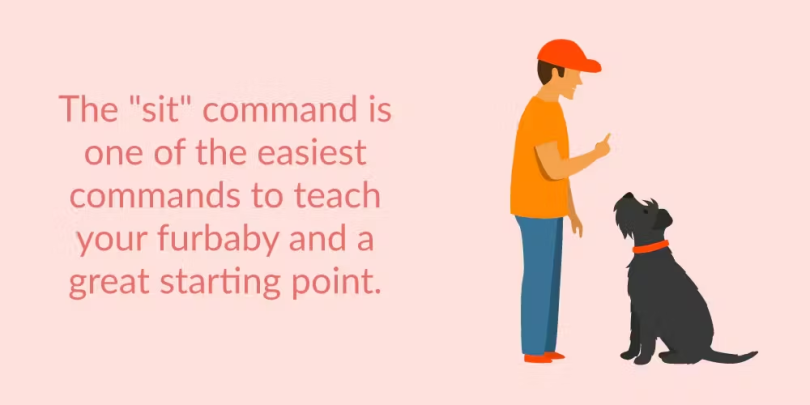
The “sit” command is usually the first and easiest command to teach. It helps calm your pet and creates focus. Hold a treat close to your pet’s nose, then slowly move it upward. As their head follows the treat, their body naturally lowers into a sitting position. Say “sit” clearly and reward them immediately. Repeat this several times daily.
Stay Command
The “stay” command teaches patience and self-control. Ask your pet to sit, then show your open palm and say “stay.” Take one small step back. If your pet stays in place, reward them. Gradually increase distance and time. This command is very useful for safety, especially near doors or busy areas.
Come Command
The “come” command is one of the most important safety commands. It helps bring your pet back to you quickly. Use a happy tone and say your pet’s name followed by “come.” Reward them with praise or treats when they respond. Never punish your pet after they come, even if they were doing something wrong before.
Down Command
The “down” command encourages calm behavior. Start with your pet in a sitting position. Hold a treat near their nose and slowly move it down toward the floor. As they lie down, say “down” and reward them. This command is helpful when your pet is overly excited.
Leave It Command
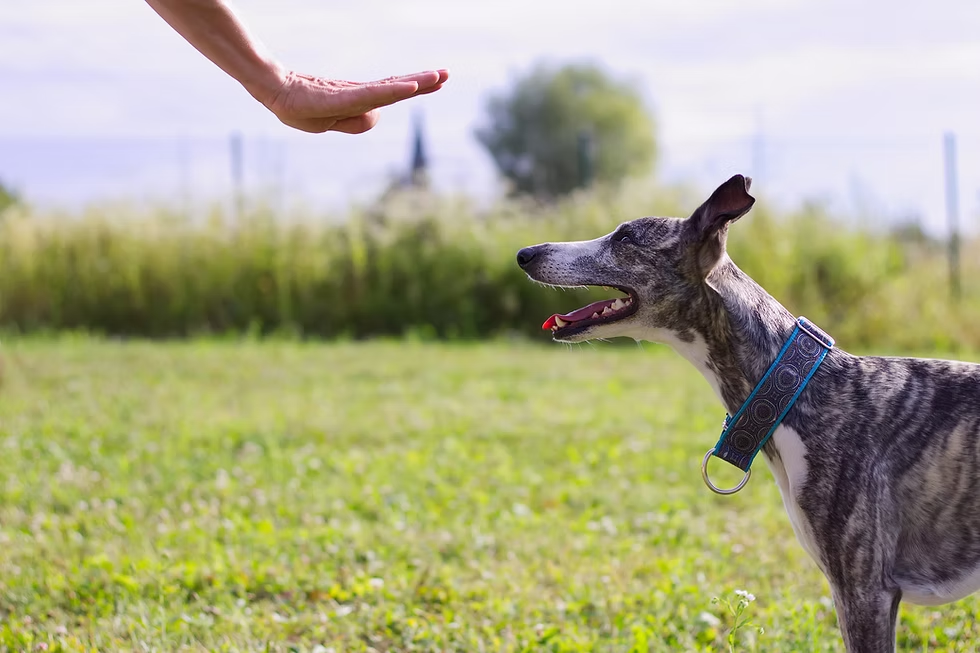
“Leave it” teaches your pet to ignore harmful or unwanted items. Place a treat in your hand and close your fist. When your pet stops trying to get it, say “leave it” and reward them with a different treat. This command can prevent your pet from eating dangerous objects.
No Command
The “no” command should be used gently and consistently. Say “no” in a calm but firm voice when your pet shows unwanted behavior. Immediately redirect them to a correct action and reward good behavior. Avoid shouting, as it can cause fear or confusion.
Tips for Successful Pet Training
Always use positive reinforcement such as treats, praise, or toys. Be consistent with words and actions so your pet does not get confused. Avoid training when your pet is tired or hungry. Patience is key; every pet learns at their own pace.
Common Training Mistakes to Avoid
Many owners expect instant results, which leads to frustration. Another mistake is changing command words or rewarding bad behavior unintentionally. Physical punishment should never be used, as it damages trust and slows learning.
Conclusion
Teaching basic pet commands is essential for a happy and well-behaved pet. Commands like sit, stay, come, and leave it improve communication, safety, and daily life. With consistency, patience, and positive reinforcement, any pet can learn these basic commands and become a well-trained companion.