
Cat behavior training is often misunderstood. Many people believe cats cannot be trained, but this is not true. Cats are intelligent, curious animals that can learn positive behaviors when trained correctly. The key is understanding how cats think, communicate, and respond to their environment. This guide explains cat behavior training in a practical and informative way so cat owners can build a healthy relationship with their pets.
Understanding Natural Cat Behavior

Before starting cat behavior training, it is important to understand how cats naturally behave. Cats are independent animals with strong instincts. They scratch to mark territory, climb to feel safe, and hunt even when they are not hungry. These behaviors are normal and should not be punished. Training focuses on redirecting unwanted actions rather than stopping natural instincts.
Cats also communicate through body language. Tail position, ear movement, and vocal sounds indicate how a cat feels. Learning these signals helps owners respond correctly during training sessions.
Why Cat Behavior Training Is Important
Cat behavior training helps improve the quality of life for both cats and their owners. Proper training can reduce problems such as aggression, biting, excessive meowing, furniture scratching, and litter box issues. Training also helps cats feel secure and confident, reducing stress and anxiety.
Well-trained cats adapt better to changes such as new homes, new pets, or visitors. Training strengthens the bond between the cat and the owner by building trust and understanding.
Positive Reinforcement in Cat Training
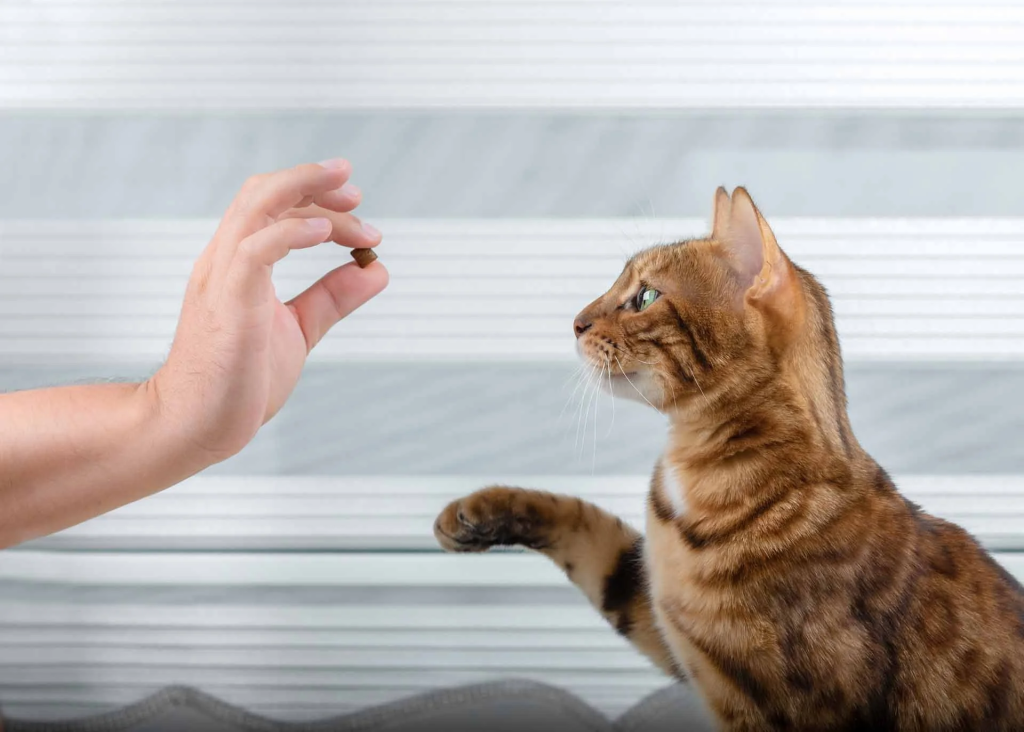
Positive reinforcement is the most effective method for cat behavior training. This means rewarding good behavior instead of punishing bad behavior. Rewards can include treats, praise, gentle petting, or playtime. When a cat associates good behavior with rewards, it is more likely to repeat that behavior.
Punishment should be avoided because it can create fear and damage trust. Cats do not understand punishment the way humans do, and negative actions can lead to stress or aggression.
Training Cats to Use the Litter Box
Most cats naturally use a litter box, but some may develop problems. Litter box training starts with placing the box in a quiet and accessible location. The box should be cleaned regularly, as cats prefer clean spaces. If a cat avoids the litter box, it could be due to stress, medical issues, or dislike of the litter type.
Positive reinforcement works well here. When the cat uses the litter box correctly, offer praise or a small reward. Never punish a cat for accidents, as this can make the problem worse.
Managing Scratching Behavior
Scratching is a natural behavior for cats. Instead of trying to stop it, training focuses on redirecting it to appropriate areas. Provide scratching posts or pads in places where the cat likes to scratch. Different textures such as sisal, cardboard, or carpet can help meet your cat’s preference.
Reward the cat when it uses the scratching post. Furniture can be protected by covering it temporarily or using deterrent sprays while training is in progress.
Reducing Aggression and Biting
Aggressive behavior in cats can result from fear, overstimulation, or lack of socialization. Understanding triggers is the first step in training. Avoid forcing interaction and allow the cat to approach on its own terms.
Use playtime to release energy, especially with interactive toys. Reward calm behavior and stop interaction immediately if signs of aggression appear. Consistency and patience are essential for success.
Teaching Simple Commands and Tricks
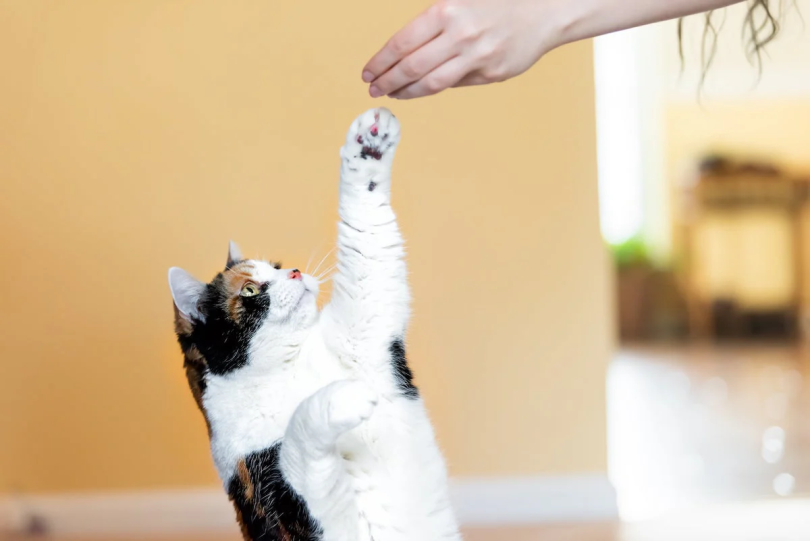
Cats can learn simple commands such as sitting, coming when called, or giving a paw. Training sessions should be short and enjoyable. Use treats and a calm voice to guide the cat. Repetition and consistency help reinforce learning.
Clicker training is also effective for cats. The sound of the click marks correct behavior, followed by a reward. Over time, cats learn to associate the sound with positive actions.
Creating a Stress-Free Training Environment
A calm environment is crucial for cat behavior training. Loud noises, sudden movements, or distractions can interfere with learning. Choose a quiet space and train when the cat is relaxed and alert.
Training should always end on a positive note. If the cat loses interest, stop and try again later. Respecting the cat’s mood improves results and maintains trust.
Common Mistakes to Avoid in Cat Training
One common mistake is expecting quick results. Cats learn at their own pace, and patience is essential. Another mistake is inconsistency. Everyone in the household should follow the same training approach.
Using punishment or yelling is harmful and ineffective. Training should always focus on understanding, redirection, and positive reinforcement.
Final Thoughts on Cat Behavior Training
Cat behavior training is not about control but communication. When owners understand their cat’s natural instincts and emotional needs, training becomes easier and more effective. With patience, consistency, and positive reinforcement, cats can learn good behaviors and live happier, stress-free lives.
Proper cat behavior training strengthens the bond between owner and pet and creates a peaceful home environment. Any cat, regardless of age, can benefit from thoughtful and respectful training methods.