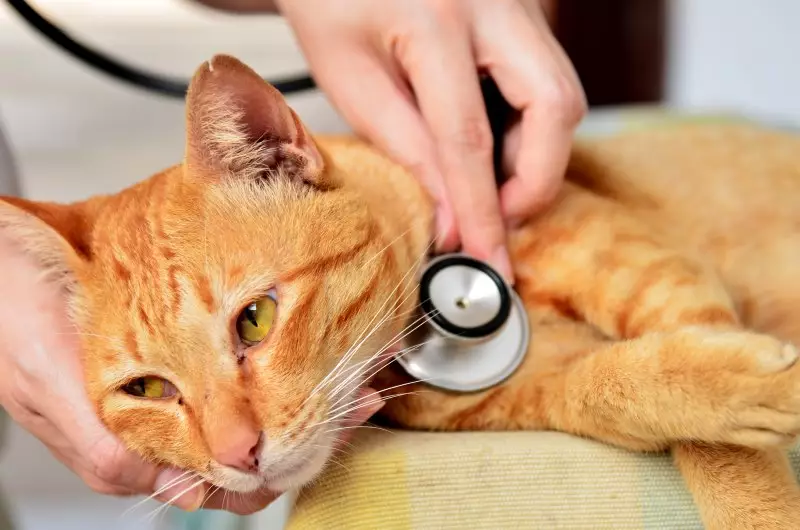

Cats are quiet and independent animals, which often makes it difficult for owners to notice when something is wrong. Unlike dogs, cats tend to hide pain and illness until the problem becomes serious. Understanding common cat health problems and recognizing early warning signs can help you protect your cat’s health and ensure a longer, happier life.
Digestive Problems in Cats
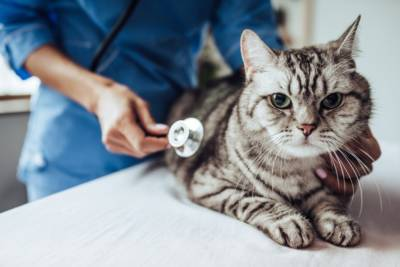
Digestive issues are among the most common cat health problems. Symptoms may include vomiting, diarrhea, constipation, bloating, loss of appetite, or sudden weight loss. These problems can be caused by poor-quality food, food allergies, hairballs, intestinal parasites, or infections. Feeding a balanced diet and ensuring access to clean drinking water can greatly improve digestive health.
Dental Disease in Cats
Dental disease is often overlooked but can cause serious discomfort. Common signs include bad breath, inflamed gums, drooling, and difficulty chewing food. If untreated, dental infections can spread to other organs such as the heart and kidneys. Regular dental checkups and proper oral care are essential for preventing these issues.
Urinary Tract Problems
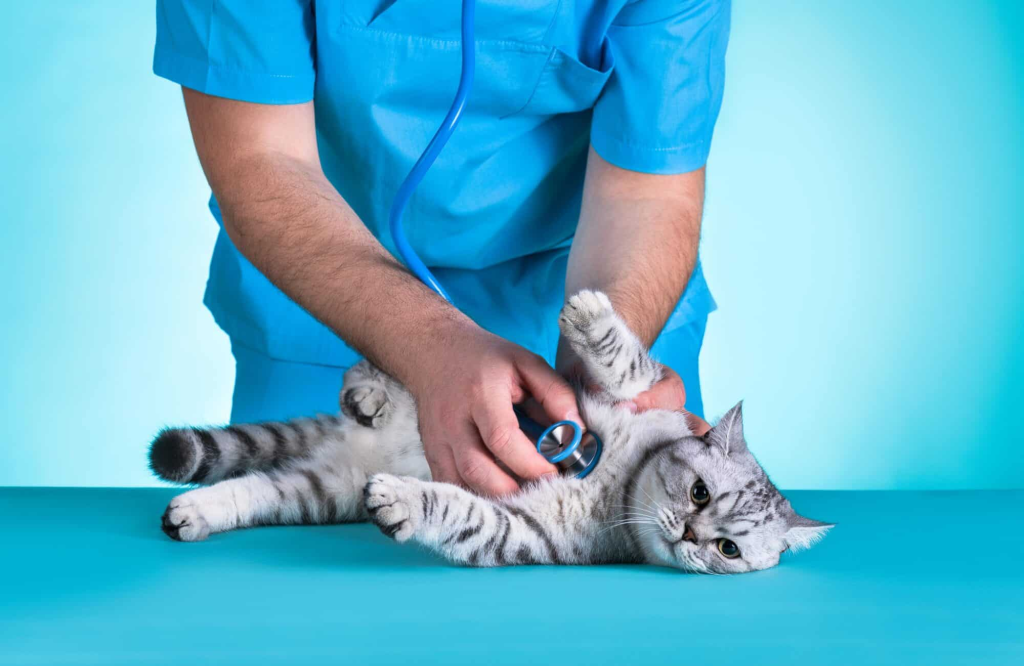
Urinary tract infections and blockages are particularly common in cats, especially males. Symptoms include frequent urination, training in the litter box, blood in urine, and crying in pain. Urinary blockages can become life-threatening if not treated quickly. Wet food, proper hydration, and a clean litter box help reduce the risk.
Skin and Coat Problems
A cat’s skin and coat reflect its overall health. Excessive scratching, hair loss, redness, dandruff, or scabs may indicate allergies, flea infestations, fungal infections, or mites. Regular grooming and parasite prevention play a major role in maintaining healthy skin and fur.
Respiratory Infections in Cats
Upper respiratory infections are common, especially in kittens and older cats. Symptoms include sneezing, coughing, nasal discharge, watery eyes, and lethargy. These infections are usually viral but may also be bacterial. Vaccinations and stress reduction can help prevent respiratory illnesses.
Obesity and Weight-Related Health Issues
Obesity is an increasing problem among indoor cats. Overweight cats are at a higher risk of diabetes, arthritis, heart disease, and reduced mobility. Controlled feeding, portion management, and regular physical activity are key to maintaining a healthy weight.
Parasites in Cats
Parasites such as fleas, ticks, and intestinal worms can cause serious health problems. Symptoms may include itching, hair loss, vomiting, diarrhea, anemia, and weakness. Regular parasite prevention and routine veterinary care are essential for protecting your cat.
Kidney Disease in Cats
Chronic kidney disease is common in older cats and often develops gradually. Signs include increased thirst, frequent urination, weight loss, poor appetite, and lethargy. Early diagnosis through routine blood and urine tests can help slow disease progression and improve quality of life.
When to See a Veterinarian
If your cat shows sudden changes in behavior, appetite, litter box habits, or energy levels, it’s important to consult a veterinarian immediately. Early treatment can prevent minor issues from turning into serious health problems.