
Dogs cannot tell us when they feel unwell, so understanding dog health symptoms is essential for responsible pet ownership. Early detection of health issues can prevent serious illness and improve your dog’s quality of life. Below are the most common dog health symptoms that should never be ignored.
Changes in Appetite and Thirst

One of the most noticeable dog health symptoms is a sudden change in eating or drinking habits. If your dog stops eating, eats very little, or starts drinking excessive water, it may indicate digestive issues, infections, diabetes, or kidney problems. Occasional appetite changes are normal, but long-term changes require attention.
Unusual Lethargy or Low Energy
Healthy dogs are active and alert. If your dog seems unusually tired, avoids walks, or sleeps more than usual, this can be a sign of fever, pain, heart disease, or infections. Persistent lethargy is one of the most common dog health symptoms seen in sick pets.
Vomiting and Diarrhea
Occasional vomiting or diarrhea can happen due to dietary changes. However, frequent vomiting, diarrhea lasting more than 24 hours, blood in stool, or dehydration are serious dog health symptoms. These issues may be caused by parasites, food poisoning, or internal infections.
Sudden Weight Loss or Weight Gain
Unexplained weight changes are important dog health symptoms. Sudden weight loss may indicate dental problems, parasites, or chronic illness. Rapid weight gain may be linked to hormonal disorders or lack of physical activity. Regular weight monitoring helps catch problems early.
Skin and Coat Problems
A shiny coat reflects good health. Dog health symptoms such as hair loss, excessive itching, redness, flaky skin, or sores may signal allergies, infections, parasites, or poor nutrition. Skin problems often indicate deeper health issues.
Coughing, Sneezing, and Breathing Problems
Occasional sneezing is normal, but constant coughing, wheezing, nasal discharge, or difficulty breathing are serious dog health symptoms. These may point to respiratory infections, kennel cough, allergies, or heart disease and should be checked by a vet.
Changes in Behavior
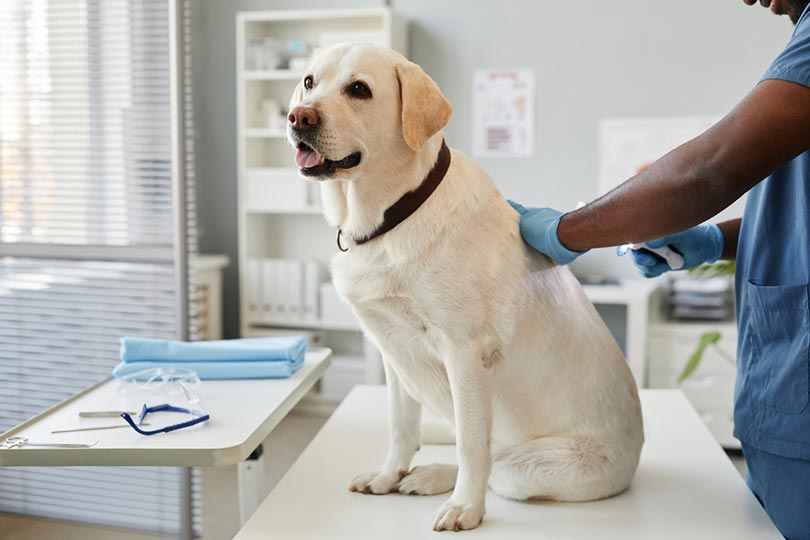
Behavioral changes are often overlooked dog health symptoms. Aggression, anxiety, excessive barking, hiding, or confusion may indicate pain, neurological issues, or stress. Sudden behavior changes should always be taken seriously.
Limping and Difficulty Moving
Limping, stiffness, or trouble standing up are clear dog health symptoms related to joint problems, arthritis, injuries, or bone disorders. If your dog avoids movement or shows pain while walking, veterinary care is necessary.
Eye and Ear Problems
Red eyes, discharge, excessive tearing, head shaking, or bad ear odor are common dog health symptoms. These may be caused by infections, allergies, or ear mites. Untreated eye and ear issues can lead to serious complications.
When to Visit a Veterinarian
If dog health symptoms persist for more than a day, worsen rapidly, or appear suddenly and severely, consult a veterinarian immediately. Early treatment can save your dog from pain and prevent long-term health problems.
Final Thoughts
Understanding dog health symptoms helps pet owners act quickly and responsibly. Regular observation, a healthy diet, exercise, and routine vet checkups play a major role in keeping your dog happy and healthy.