
Training a dog at home is one of the best ways to build a strong bond with your pet while ensuring good behavior. Many dog owners believe professional trainers are necessary, but with patience, consistency, and the right techniques, you can successfully train your dog at home. This guide explains step by step how to train a dog at home in a simple and effective way.
Understand Your Dog’s Behavior
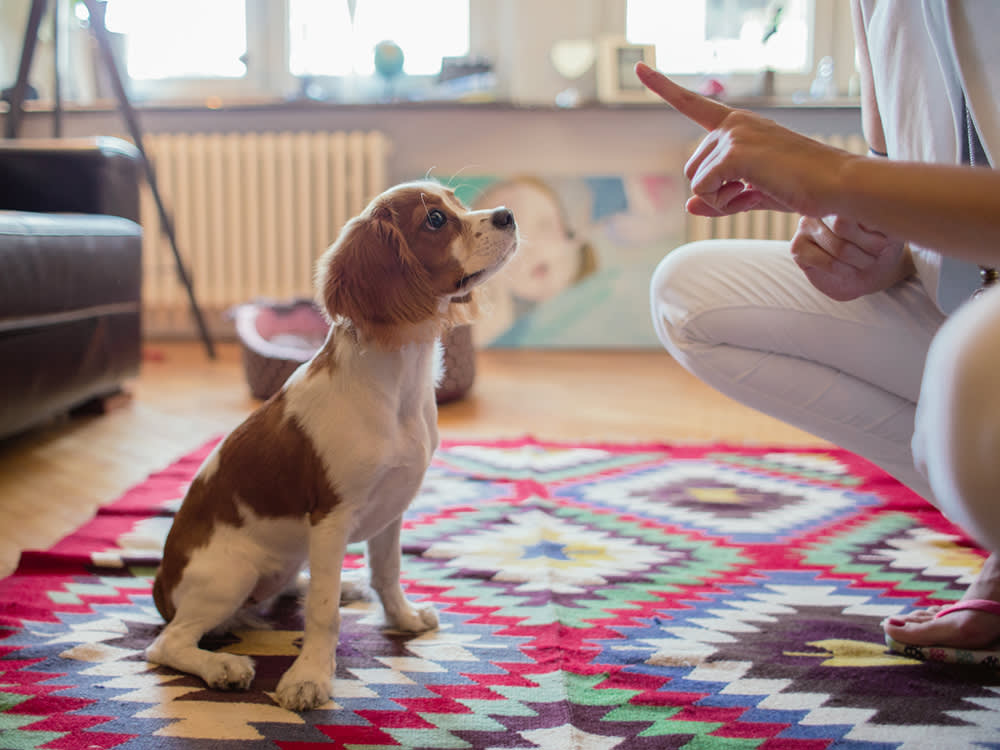
Before starting training, it is important to understand how dogs learn. Dogs respond best to positive reinforcement, such as praise, treats, and affection. They do not understand punishment the way humans do. Yelling or hitting can create fear and confusion, making training harder. A calm and positive approach always works better.
Start Training Early
If you have a puppy, begin training as early as possible. Puppies learn quickly and adapt to routines easily. However, adult dogs can also be trained at home with patience. Age is not a barrier; consistency matters more than anything else.
Create a Training Routine
Dogs learn best with a routine. Choose a quiet place in your home where there are no distractions. Set a regular time each day for training sessions. Short sessions of 10 to 15 minutes are more effective than long sessions. Training at the same time daily helps your dog understand what is expected.
Teach Basic Commands First
- Start with basic commands that every dog should know.
- Sit: Hold a treat close to your dog’s nose and slowly move it upward. As the dog’s head moves up, the body naturally sits. Say “sit” clearly and give the treat immediately.
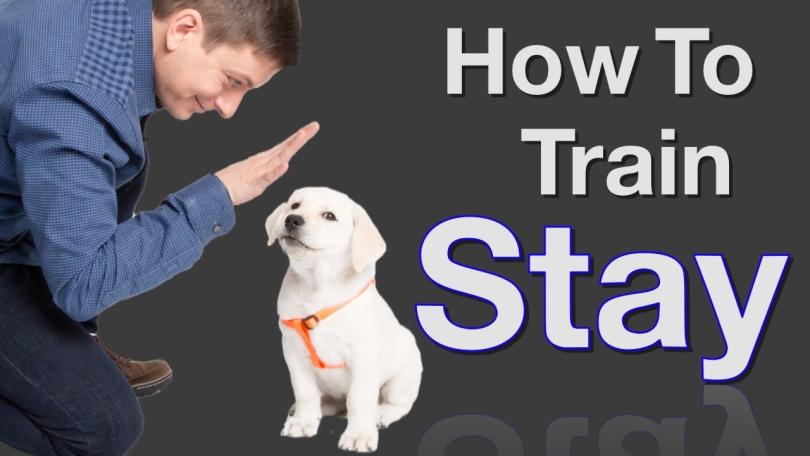
- Stay: Ask your dog to sit, then show your palm and say “stay.” Take a step back. If the dog stays, reward it. Gradually increase the distance and time.
- Come: Call your dog’s name followed by “come” in a happy voice. When your dog comes to you, reward it with praise or a treat.
- Down: Ask your dog to sit, then move a treat toward the floor. Say “down” as your dog lies down and reward immediately.
Use Positive Reinforcement
Always reward good behavior. Rewards can be treats, verbal praise, or gentle petting. This helps your dog associate commands with positive outcomes. Over time, you can reduce treats and rely more on praise.
Be Consistent With Commands
Use the same words for commands every time. If one day you say “come” and another day you say “come here,” your dog may get confused. Consistency helps your dog learn faster and respond correctly.
Avoid Common Training Mistakes

Many dog owners make mistakes that slow down training. Avoid training when your dog is tired or hungry. Do not repeat commands again and again if your dog does not respond; instead, guide the dog gently. Never punish your dog for mistakes, as this can damage trust.
Socialize Your Dog at Home
Socialization is also a part of training. Introduce your dog to different sounds, people, and environments gradually. This helps prevent fear and aggressive behavior later. Even simple activities like meeting visitors at home can improve social skills.
Practice Patience and Stay Calm
Training takes time. Some dogs learn quickly, while others need more repetition. Stay patient and calm during the process. If you feel frustrated, take a break and continue later. A relaxed owner creates a relaxed dog.
Track Progress and Improve
Observe your dog’s progress daily. Celebrate small improvements and continue practicing commands regularly. As your dog becomes more confident, you can teach advanced tricks and improve obedience.
Conclusion
Training a dog at home is not only possible but also very rewarding. With the right mindset, a consistent routine, and positive reinforcement, you can teach your dog good manners and essential commands without professional help. Home training strengthens the bond between you and your dog and creates a happy, well-behaved companion for life.