

Pets play an important role in our lives, offering companionship, comfort, and joy. As a responsible pet owner, taking care of your pet’s health is one of the most important duties. Proper pet health care helps prevent diseases, improves quality of life, and ensures your pet stays active and happy for years. From nutrition to regular checkups, every aspect of care matters.
Provide a Balanced and Nutritious Diet
A healthy diet is the foundation of good pet health. Pets need food that matches their species, age, size, and activity level. Puppies and kittens require nutrient-rich food for growth, while adult and senior pets need diets that support maintenance and aging. Feeding pets human food or excessive treats can cause obesity and digestive problems. Always provide fresh, clean water to keep your pet hydrated and support vital body functions.
Schedule Regular Veterinary Checkups
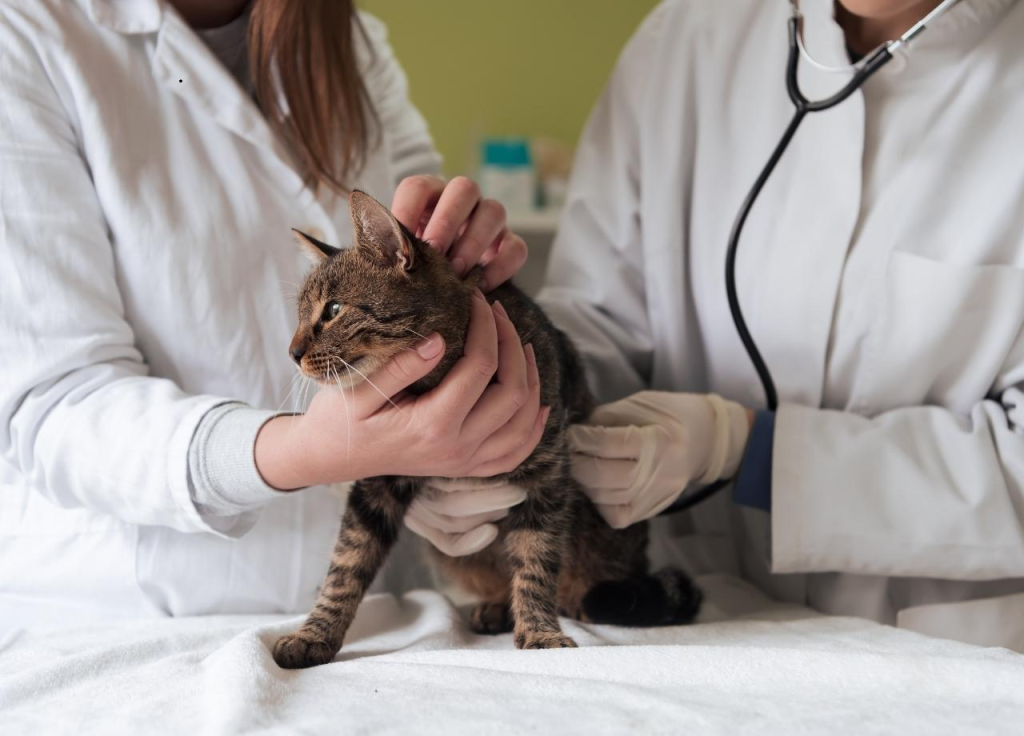
Routine veterinary visits are essential even if your pet looks healthy. Regular checkups help identify health issues early, update vaccinations, monitor weight, and maintain dental health. Preventive care reduces the risk of serious illnesses and lowers long-term medical costs. Most pets should visit the vet at least once a year, while senior pets may need more frequent visits.
Keep Vaccinations Up to Date
Vaccinations protect pets from dangerous and contagious diseases. Common vaccines help prevent illnesses such as rabies, distemper, parvovirus, and feline leukemia. Your veterinarian will recommend a vaccination schedule based on your pet’s age, lifestyle, and exposure risk. Staying up to date with vaccines keeps both pets and humans safe.
Maintain Proper Hygiene and Grooming
Good grooming is essential for maintaining your pet’s overall health. Regular brushing keeps the coat clean, reduces shedding, and prevents matting. Bathing with pet-safe products helps maintain healthy skin, while nail trimming prevents discomfort and injury. Cleaning ears and caring for dental hygiene reduce the risk of infections and bad breath. Grooming also helps pet owners detect early signs of skin issues or parasites.
Encourage Daily Exercise and Physical Activity
Exercise keeps pets physically fit and mentally active. Dogs benefit from daily walks and outdoor play, while cats enjoy interactive toys and climbing activities. Regular physical activity helps control weight, strengthens muscles, improves heart health, and reduces anxiety. The amount of exercise needed depends on the pet’s breed, age, and health condition.
Support Mental and Emotional Well-Being
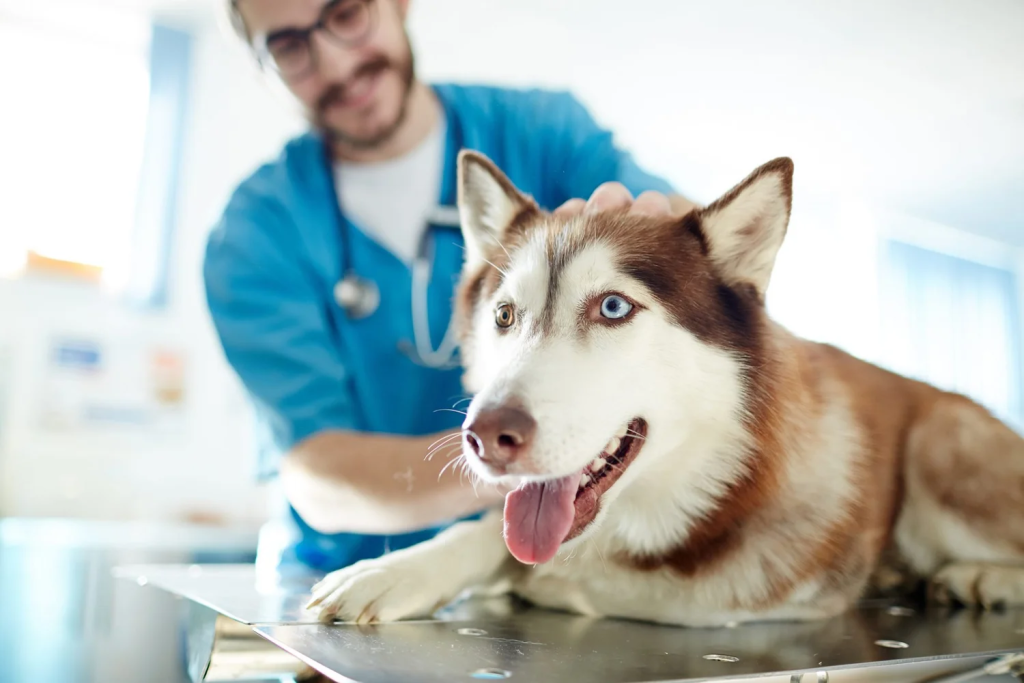
Mental health is an important but often overlooked part of pet care. Pets need attention, affection, and stimulation to stay emotionally healthy. Boredom and loneliness can lead to stress, aggression, or destructive behavior. Spending quality time, maintaining a routine, and providing toys or training activities help keep pets calm and happy.
Protect Your Pet from Parasites
Parasites such as fleas, ticks, and worms can cause serious health problems. Preventive treatments recommended by veterinarians help protect pets from infections and discomfort. Regularly checking your pet’s fur, skin, and ears allows early detection of parasites. Keeping living areas clean also reduces the risk of infestation.
Consider Spaying and Neutering
Spaying and neutering provide several health and behavioral benefits. These procedures help prevent certain cancers, reduce unwanted pregnancies, and decrease aggressive or roaming behavior. Consulting a veterinarian helps determine the best time for the procedure based on your pet’s breed and health.
Create a Safe and Comfortable Home Environment
A safe living environment is essential for pet health. Toxic plants, cleaning chemicals, medications, and sharp objects should be kept out of reach. Pets should have a clean sleeping area, proper shelter, and enough space to move comfortably. Pet-proofing your home reduces accidents and injuries.
Watch for Changes in Behavior and Health
Pets cannot communicate discomfort directly, so observing changes is crucial. Sudden weight loss, lack of appetite, unusual behavior, or low energy may indicate health problems. Early attention to these signs allows timely treatment and prevents serious complications.
Special Care for Senior Pets
As pets age, their needs change. Senior pets may require specialized diets, joint supplements, softer bedding, and more frequent veterinary visits. Providing extra comfort, patience, and care helps older pets maintain a good quality of life.
Conclusion
Taking care of your pet’s health is a long-term commitment that requires love, consistency, and awareness. By focusing on proper nutrition, regular veterinary care, hygiene, exercise, mental well-being, and a safe environment, pet owners can ensure their pets live healthier and happier lives. Healthy pets not only live longer but also bring greater joy and companionship to their owners.