
Training your pet is one of the most important responsibilities of being a pet owner. Proper training helps pets understand acceptable behavior, strengthens the bond between pet and owner, and ensures safety for both animals and humans. Whether you have a dog, cat, or another domestic pet, following the right pet training tips can make a huge difference.
This guide covers practical, beginner-friendly pet training tips that work for most pets and can be applied at home.
1. Start Training Early

The best time to train a pet is when they are young, but training can be started at any age. Puppies and kittens learn faster because they are more open to new habits. However, older pets can also be trained with patience and consistency.
Early training helps prevent bad habits such as excessive barking, biting, scratching furniture, or ignoring commands.
2. Use Positive Reinforcement
Positive reinforcement is one of the most effective pet training techniques. It involves rewarding your pet when they display good behavior.
Rewards can include:
- Treats
- Praise
- Gentle petting
- Playtime
Avoid punishment-based training. Harsh behavior can create fear, stress, and aggression in pets, making training more difficult.
3. Be Consistent with Commands
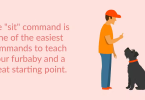
Consistency is key when training pets. Always use the same words and tone for commands. For example, if you use “sit,” do not switch between “sit down” or “take a seat.”
All family members should follow the same rules and commands. Mixed signals confuse pets and slow down the learning process.
4. Keep Training Sessions Short
Pets have short attention spans. Long training sessions can lead to frustration for both you and your pet.
Ideal training session length:
- 5–10 minutes for young pets
- 10–15 minutes for adult pets
Multiple short sessions throughout the day work better than one long session.
5. Train in a Distraction-Free Environment
Start training in a quiet space with minimal distractions. Once your pet understands basic commands, gradually introduce distractions like outdoor noises or other people.
This helps pets learn to obey commands in real-world situations, not just at home.
6. Teach Basic Commands First
Begin with simple and essential commands such as:
- Sit
- Stay
- Come
- No
- Leave it
Basic obedience training builds a strong foundation and makes advanced training easier later on.
7. Be Patient and Calm

Pet training takes time. Pets may not learn commands immediately, and mistakes are normal.
Stay calm and avoid showing frustration. Yelling or getting angry can make pets anxious and slow their progress. Patience and repetition are essential for successful training.
8. Socialize Your Pet
Socialization helps pets become comfortable around people, other animals, and new environments. Proper socialization reduces fear, anxiety, and aggressive behavior.
Expose your pet gradually to:
- New people
- Other pets
- Different places and sounds
Always supervise social interactions, especially in the early stages.
9. Train According to Your Pet’s Personality
Every pet is different. Some learn quickly, while others need more time. Adjust your training approach based on your pet’s breed, age, and temperament.
Understanding your pet’s behavior will help you choose the most effective training methods.
10. Consider Professional Help if Needed
If your pet shows aggressive behavior or does not respond to basic training, seeking help from a professional pet trainer or veterinarian is a smart choice.
Professional trainers can identify behavioral issues and provide customized training solutions.
Conclusion
Pet training is an ongoing process that requires time, consistency, and patience. By using positive reinforcement, maintaining a calm approach, and following proven pet training tips, you can raise a well-behaved, confident, and happy pet.
Good training not only improves your pet’s behavior but also strengthens your relationship with them, making life easier and more enjoyable for both of you.