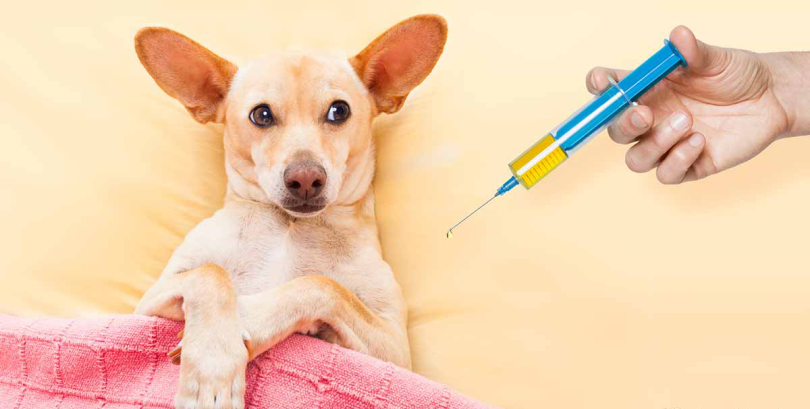

Vaccinations are one of the most important parts of responsible pet care. They protect pets from serious, contagious, and sometimes life-threatening diseases. Following the correct pet vaccination schedule ensures your dog or cat develops strong immunity at the right stages of life. Whether you’re a new pet owner or someone looking to refresh your knowledge, this guide explains everything you need to know in simple terms.
Why Pet Vaccinations Are Important
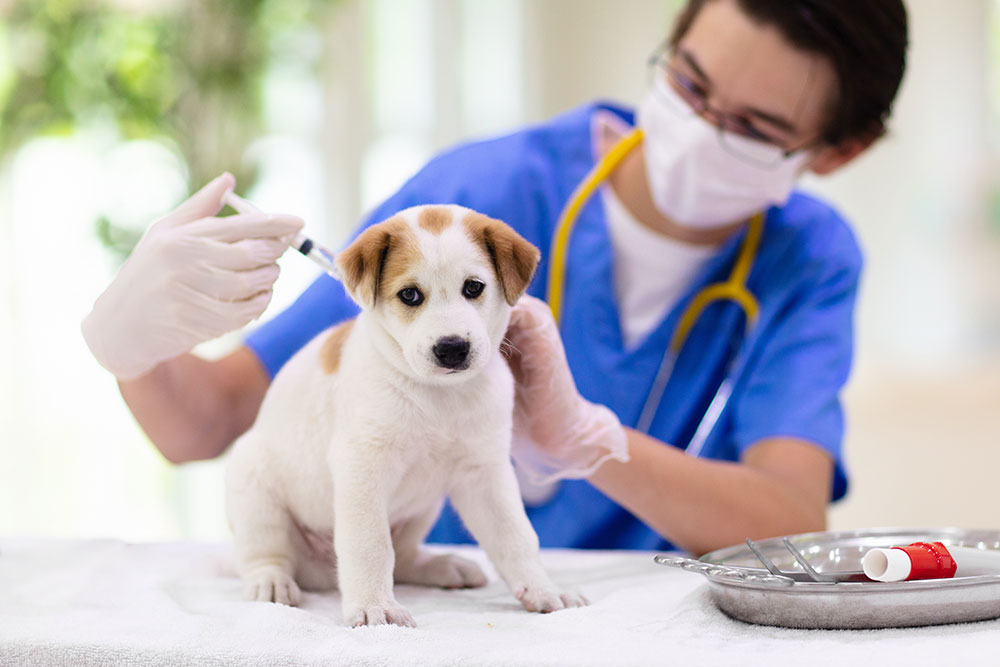
Pets, just like humans, are exposed to viruses and bacteria in their environment. Vaccines help the immune system recognize and fight harmful diseases before they cause severe illness. Vaccinating your pet not only protects them but also helps prevent the spread of diseases to other animals and, in some cases, humans.
Skipping or delaying vaccines can leave your pet vulnerable to infections such as rabies, parvovirus, or distemper—conditions that are often expensive to treat and can be fatal.
Understanding Core and Non-Core Vaccines
Veterinarians generally divide pet vaccines into two categories:
Core Vaccines
Core vaccines are essential for all pets, regardless of lifestyle or location. These protect against widespread and dangerous diseases.
Non-Core Vaccines
Non-core vaccines are optional and depend on factors like your pet’s environment, travel habits, and exposure to other animals. Your vet will recommend these based on risk assessment.
Puppy Vaccination Schedule
Puppies are born with some immunity from their mother, but this protection fades within a few weeks. That’s why early and timely vaccinations are crucial.
6–8 Weeks
- Distemper
- Parvovirus
- Adenovirus (often given as a combined DHPP vaccine)
10–12 Weeks
- DHPP booster
- Leptospirosis (optional, based on risk)
- Bordetella (kennel cough), if needed
14–16 Weeks
- Final DHPP booster
- Rabies (mandatory in many regions)
12–16 Months
- Booster shots for DHPP
- Rabies booster
After the first year, most core vaccines are repeated every one to three years, depending on veterinary advice and vaccine type.
Kitten Vaccination Schedule

Kittens also need early protection as their maternal immunity declines quickly.
6–8 Weeks
- FVRCP (Feline Viral Rhinotracheitis, Calicivirus, Panleukopenia)
10–12 Weeks
- FVRCP booster
- FeLV (Feline Leukemia Virus) for at-risk kittens
14–16 Weeks
- Final FVRCP booster
- Rabies vaccine
12–16 Months
- FVRCP booster
- Rabies booster
Adult cats usually require boosters every one to three years based on lifestyle and vet recommendations.
Adult Pet Vaccination Schedule
Even adult pets need continued protection to maintain immunity.
Dogs
- DHPP: Every 1–3 years
- Rabies: Every 1–3 years (legally required in many areas)
- Bordetella: Annually or every 6 months
- Leptospirosis: Annually if at risk
Cats
- FVRCP: Every 1–3 years
- Rabies: As required by law or vet advice
- FeLV: Annually for outdoor or high-risk cats
Senior Pets and Vaccinations
Older pets still need vaccinations, but their schedule may be adjusted. Senior pets often have weaker immune systems, so maintaining protection is essential. However, vets may avoid unnecessary vaccines and focus only on core ones, considering the pet’s health and lifestyle.
Common Side Effects of Pet Vaccinations
Most pets experience little to no side effects. Mild reactions may include:
- Slight fever
- Reduced appetite
- Sleepiness
- Mild swelling at the injection site
Serious reactions are rare but can include vomiting, facial swelling, or difficulty breathing. If you notice these symptoms, contact your veterinarian immediately.
Tips for Pet Owners
- Keep a vaccination record for your pet
- Never skip booster shots
- Follow your vet’s recommendations instead of self-planning
- Avoid public places for puppies and kittens until vaccinations are complete
- Combine vaccination visits with regular health checkups
Final Thoughts
Following the correct pet vaccination schedule is one of the simplest and most effective ways to ensure a long, healthy life for your pet. Vaccines protect against dangerous diseases, reduce medical costs in the long run, and give pet owners peace of mind. Always consult your veterinarian to customize a vaccination plan that suits your pet’s age, health, and lifestyle.
A well-vaccinated pet is a happy and protected companion.