
Puppy Training Guide is one of the most important responsibilities of a new dog owner. Proper training helps your puppy grow into a well-behaved, confident, and happy dog. Many people struggle with puppy behavior because they either start training too late or use the wrong methods. This puppy training guide will help you understand when to start training, what to teach first, and how to train your puppy in a positive and effective way.
When Should You Start Puppy Training?
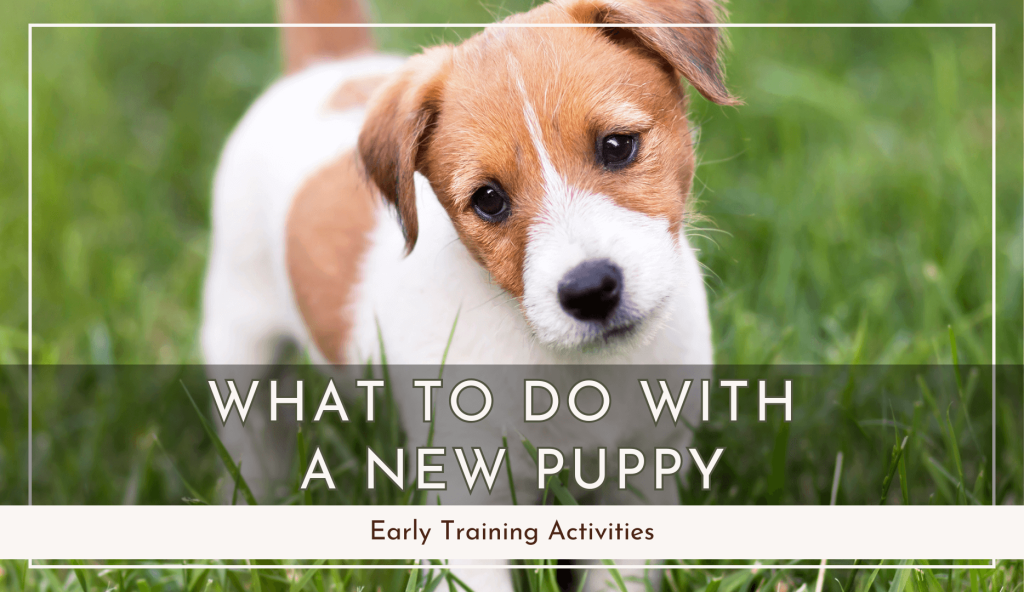
Puppy training should begin as soon as you bring your puppy home. Most puppies are ready to learn basic habits at around 8 weeks of age. At this stage, puppies are curious and can quickly pick up simple commands and routines. Early training helps prevent bad habits such as biting, excessive barking, and indoor accidents.
Basic Puppy Training Principles
Before starting specific training exercises, it is important to understand a few basic principles. Puppies learn best through consistency, patience, and positive reinforcement. Always reward good behavior with praise, treats, or affection. Avoid shouting or physical punishment, as this can cause fear and confusion. Short training sessions of 5 to 10 minutes work best because puppies have a short attention span.
House Training Your Puppy
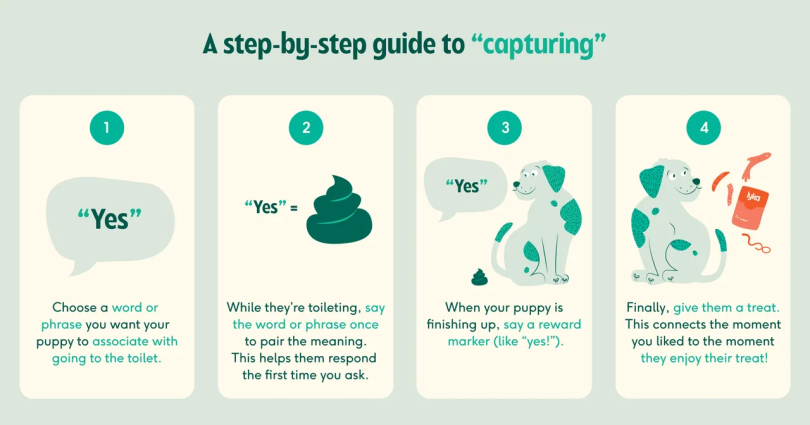
House training, also known as potty training, is usually the first priority for new puppy owners. Take your puppy outside frequently, especially after meals, naps, and playtime. Choose a fixed spot outdoors and take your puppy to the same place each time. When your puppy goes to the bathroom in the correct spot, reward them immediately. If accidents happen indoors, clean the area properly but never punish your puppy, as this can slow down the learning process.
Teaching Basic Commands
Basic commands are essential for your puppy’s safety and behavior. Start with simple commands such as “sit,” “stay,” “come,” and “down.” Use clear and simple words, and always say the command before guiding your puppy into the position. For example, say “sit” and gently guide your puppy into a sitting position, then reward them. Repetition and consistency are key to success.
Crate Training Your Puppy
Crate training helps with house training and provides your puppy with a safe and comfortable space. Choose a crate that is large enough for your puppy to stand, turn around, and lie down. Introduce the crate gradually and make it a positive place by adding soft bedding and toys. Never use the crate as punishment. A well-trained puppy will see the crate as their personal resting area.
Socialization Training
Socialization is a crucial part of puppy training. Expose your puppy to different people, sounds, places, and other animals at an early age. Proper socialization helps prevent fear and aggression later in life. Take your puppy on short walks, invite friends over, and allow supervised interaction with other vaccinated dogs. Always ensure these experiences are positive and stress-free.
Leash Training Basics
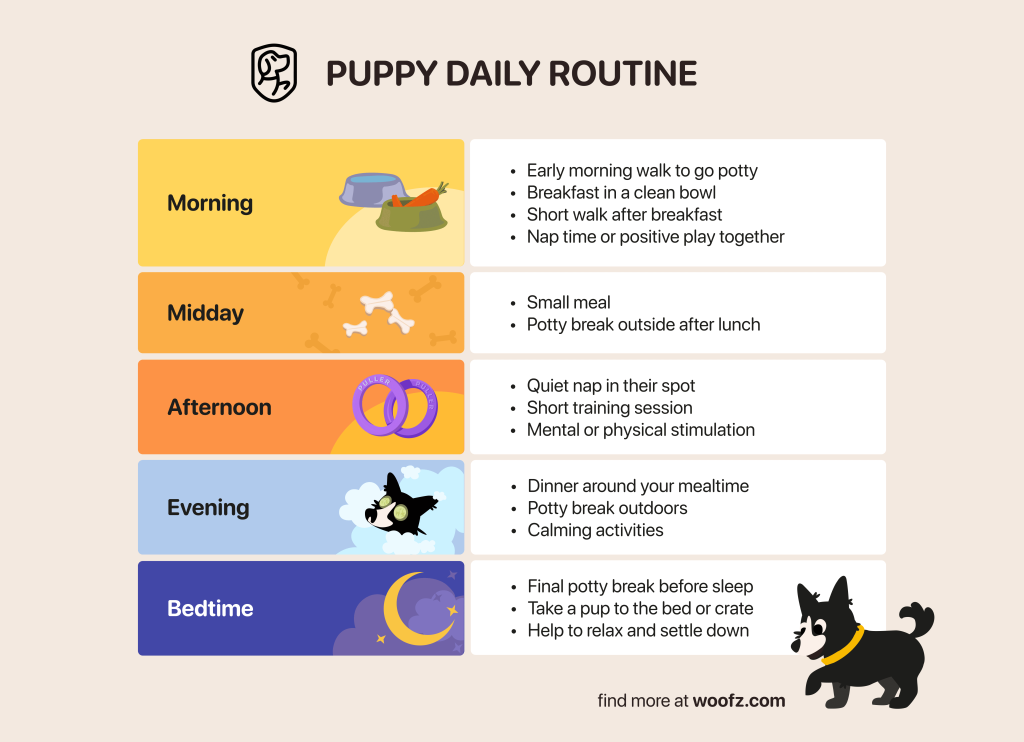
Leash training teaches your puppy how to walk calmly without pulling. Start indoors or in a quiet area where there are fewer distractions. Use a lightweight leash and allow your puppy to get comfortable wearing it. Encourage your puppy to walk beside you and reward them for good behavior. If your puppy pulls, stop walking and wait until the leash relaxes before continuing.
Managing Biting and Chewing
Puppies explore the world using their mouths, which often leads to biting and chewing. Provide safe chew toys to redirect this behavior. If your puppy bites during play, stop playing immediately and ignore them for a short time. This teaches your puppy that biting ends fun activities. Consistent redirection and patience will reduce biting over time.
Common Puppy Training Mistakes to Avoid
Many owners unintentionally slow down training by being inconsistent or expecting results too quickly. Avoid changing rules frequently, such as allowing your puppy on the couch one day and scolding them the next. Do not compare your puppy’s progress to others, as every puppy learns at a different pace. Consistency and calm behavior from the owner are essential.
Final Thoughts on Puppy Training
Training a puppy takes time, effort, and patience, but the results are worth it. A well-trained puppy grows into a loyal, well-mannered companion. By starting early, using positive reinforcement, and staying consistent, you can build a strong bond with your puppy and ensure a happy life together.